Source Firm Post Surgery Liposuction Garment for recovery, daily wear, and postpartum care
Compare 30 Firm Post Surgery Liposuction Garment options from verified suppliers. These compression bodysuits offer varying control levels, layer counts, and sizes for post-surgery recovery, daily wear, and postpartum support.
Key considerations
Products List


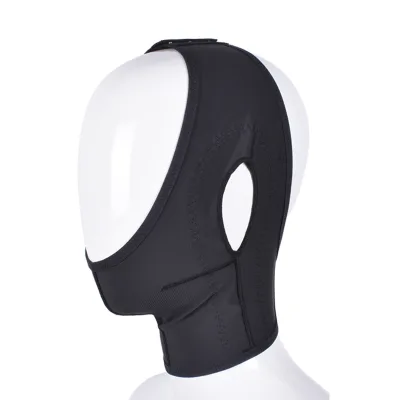
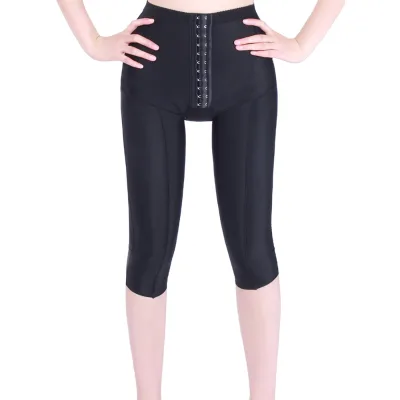
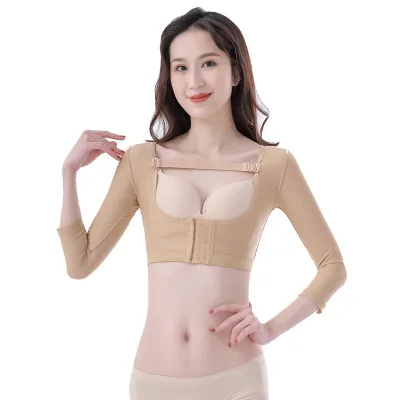
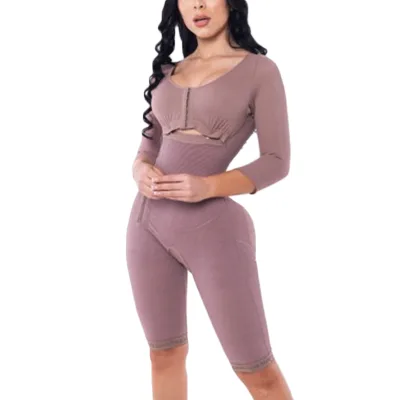
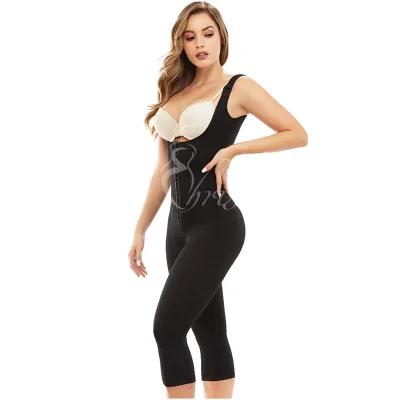
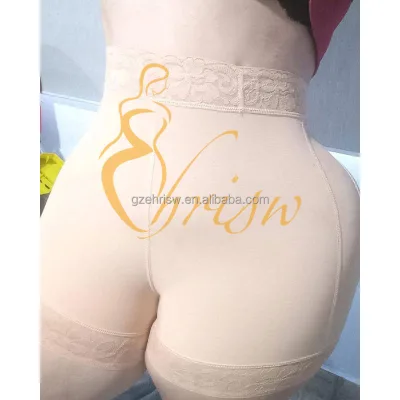
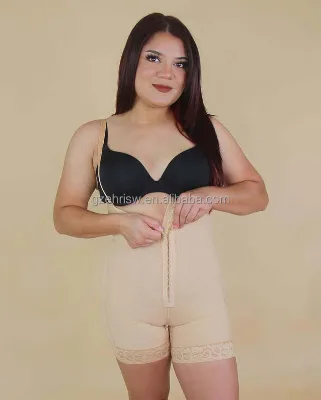
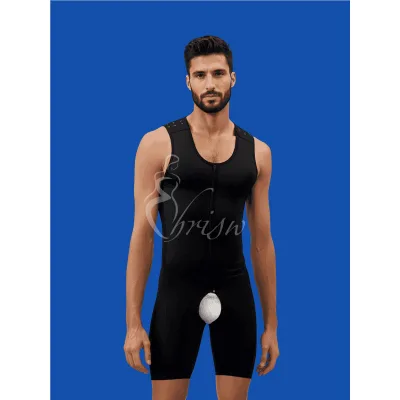
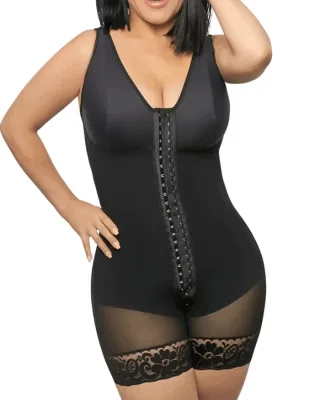

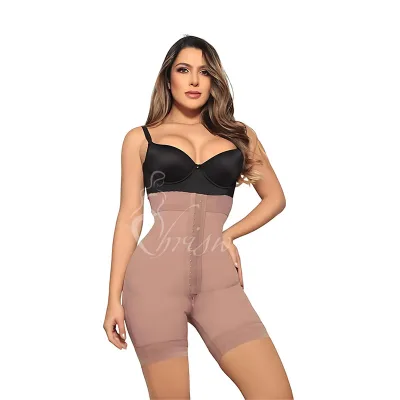
Postpartum Shapewear Tummy Control Compression Garment Short Luxury Comfort
$10.99 - $12.99
MOQ: 1 pieces
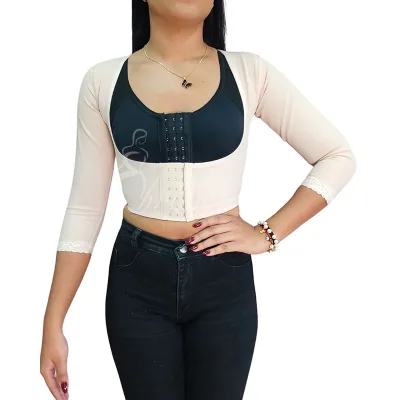
Postpartum Shapewear Tummy Control Compression Garment Short Luxury Comfort
$14.18 - $16.21
MOQ: 1 pieces
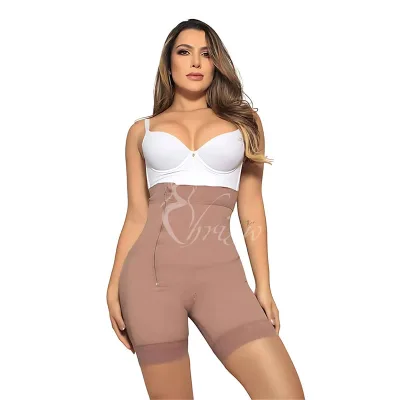


Comprehensive Sourcing Guide
Strategic Sourcing Guide for Firm Post-Surgery Liposuction Garments
Understanding Technical Specifications and Compression Mechanics
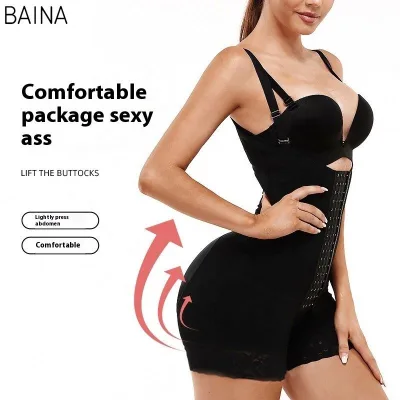
When sourcing firm post-surgery liposuction garments, the primary technical differentiator is the compression index, which dictates the garment's efficacy in managing post-operative swelling and shaping the treated area. Based on observed market data, effective compression garments for this application typically operate within a specific pressure range, often cited between 20-30 mmHg for standard firm compression levels. However, for more intensive post-liposuction recovery, buyers must verify if the supplier offers "High Compression" variants that exceed standard thresholds. The physical construction of the garment is equally critical; observed specifications indicate that effective models often utilize a multi-layered fabric structure, ranging from four to six layers of material. This layering is not merely for bulk but is engineered to distribute pressure evenly across the abdomen and torso, ensuring the "Pull-in Abdomen" and "Pull-in Stomach" effects are achieved without creating uncomfortable pressure points.
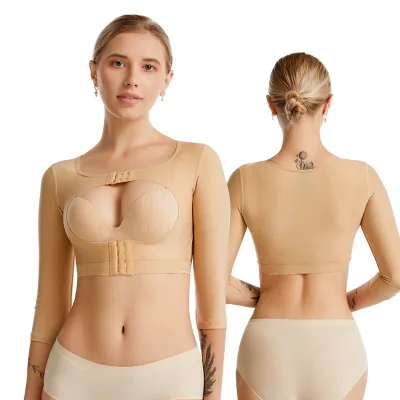
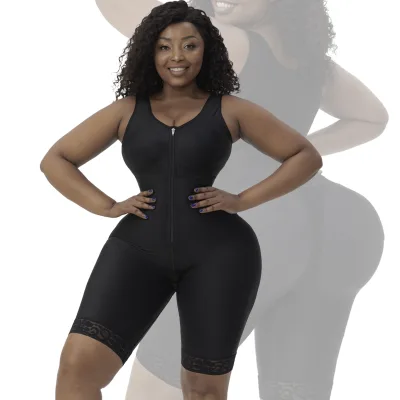
The material composition is another non-negotiable technical factor. The industry standard for these garments involves a blend of Spandex and Nylon, which provides the necessary elasticity for a "Firm" control level while maintaining durability. The fabric weight, observed in specific listings as 280G/M2, suggests a dense weave capable of withstanding the mechanical stress of daily wear and the rigorous requirements of post-surgical recovery. Buyers should look for "Knitted" weaving methods, as this technique offers superior stretch and recovery compared to woven alternatives, ensuring the garment conforms to the body's contours without losing its shape over time. Furthermore, the design architecture plays a pivotal role; "One Piece Body Shaper with Sleeves" configurations are often preferred for comprehensive coverage, offering "Butt Lifter" and "Tummy Control" functions simultaneously. The thickness of the garment, described variously as "Thick" or "Standard," must be balanced against the patient's comfort needs, particularly for those requiring "Breathable" and "Anti-Bacterial" properties to prevent skin irritation during prolonged wear.
Compliance, Certification, and Medical Standards
Navigating the regulatory landscape for post-surgery garments requires rigorous verification of certifications, as these products often bridge the gap between consumer apparel and medical devices. In the context of sourcing, the presence of CE, FDA, and ISO13485 certifications is a strong indicator of a supplier's commitment to quality management systems and medical device standards. ISO13485, specifically, is the international standard for quality management systems in the medical device industry, ensuring that the manufacturing process is controlled and consistent. The CE marking indicates conformity with health, safety, and environmental protection standards for products sold within the European Economic Area, while FDA registration suggests the product meets the regulatory requirements of the United States Food and Drug Administration, often classifying the garment as a Class I or Class II medical device depending on its intended use and risk profile.
Buyers must verify the specific classification of the garment, as the "Class: I/II/III" designation found in product attributes suggests varying levels of regulatory scrutiny. For post-liposuction garments, which are intended for "Post Surgery or Postpartum or Daily Life" usage, the classification often leans towards Class I or II, requiring documentation of safety and efficacy. It is imperative for procurement teams to request valid, current certificates from suppliers rather than relying on generic claims. The absence of these certifications should be treated as a significant risk factor, as it implies the product may not have undergone the necessary testing for biocompatibility, pressure distribution, or material safety. Additionally, suppliers should be able to demonstrate compliance with local standards in the destination market, ensuring that the "Compression Garment" meets all legal requirements for medical supplies in the target region.
Cost Drivers and Pricing Structures
The pricing of firm post-surgery liposuction garments is influenced by a complex interplay of factors, including material quality, compression technology, and order volume. Observed market data indicates a wide price range, typically spanning from $3.59 to $50 per unit. This variance is not arbitrary but reflects differences in the number of fabric layers, the complexity of the design (such as the inclusion of sleeves or specific contouring), and the level of compression provided. Higher-priced items often correspond to "High Compression" models with advanced multi-layer constructions and specialized features like "Anti-Embolism" or "Anti-Slip" properties. Conversely, lower-priced options may be single-layer or general compression garments intended for less intensive recovery phases.
Volume is a critical determinant of cost, with Minimum Order Quantities (MOQ) ranging from 1 to 1000 units. Suppliers offering an MOQ of 1 are typically catering to drop-shipping or small-scale trial orders, which often carry a higher per-unit cost due to the lack of economies of scale. In contrast, bulk orders of 1000 units or more usually unlock significant price reductions, making them more viable for large-scale procurement. The "Supply Type" also affects pricing; "in-Stock Items" may be priced differently than "OEM/ODM" custom orders, which involve additional costs for mold creation, custom branding, and specialized production runs. Buyers should also consider the cost of customization, such as "Customized Logo" or "Customized" sizing, which can add to the base price. It is essential to evaluate the total cost of ownership, including shipping and potential lead times, rather than focusing solely on the unit price.
Typical Applications and Functional Requirements
The functional requirements for post-surgery liposuction garments extend beyond simple compression; they must address specific medical and recovery needs. The primary application is for "Post Surgery" recovery, where the garment helps reduce edema, minimize bruising, and support the body as it heals from the trauma of liposuction. The "Firm" control level is essential in this context to provide the necessary support for the treated areas, ensuring that the skin adheres properly to the underlying tissue as it heals. Additionally, these garments are frequently used for "Postpartum" recovery, where they assist in restoring the abdominal shape and providing support to the weakened core muscles. For "Daily Life" usage, the garment must offer a balance of compression and comfort, allowing patients to move freely while maintaining the therapeutic benefits.
Specific functional attributes observed in the market include "Anti-Embolism" properties, which are crucial for preventing deep vein thrombosis (DVT) in patients who may have reduced mobility post-surgery. "Anti-Slip" features ensure that the garment stays in place during movement, preventing it from rolling down or shifting, which could compromise the compression effect. The "Breathable" nature of the fabric is vital for maintaining skin health and preventing heat rash, especially during the "Spring/Summer/Autumn/Winter" seasons when patients may wear the garment for extended periods. The "Gender" specification, often listed as "Female" or "Unisex," indicates that while many designs are tailored to female anatomy, some suppliers offer unisex options for broader applicability. The "Age Group" is typically "Adults," reflecting the target demographic for these medical-grade compression garments.
Supplier Evaluation and Verification Protocols
Evaluating a supplier for firm post-surgery liposuction garments requires a multi-faceted approach that goes beyond surface-level marketing claims. Buyers should prioritize suppliers who demonstrate transparency in their manufacturing processes and provide verifiable documentation for all certifications. The "Location" of the supplier, often listed as "China," is a common origin for these products, but buyers must verify the specific factory's capabilities and reputation. A reliable supplier should offer "OEM/ODM" services, indicating flexibility in customizing products to meet specific buyer requirements, such as unique sizing or branding. The "Drop Shipping" capability, marked as "Yes, Welcome" in some listings, is a valuable feature for buyers looking to test the market without holding inventory, but it requires a robust logistics network to ensure timely delivery.
Quality control is another critical aspect of supplier evaluation. Buyers should request samples to verify the "Fabric" quality, "Weaving Method," and "Thickness" firsthand. The "Product Type" should be confirmed as "Shapers" or "Bodysuit" to ensure it matches the intended application. Suppliers should also provide clear information on their "Lead Time," particularly for sample orders, with some offering "7 Days Sample Order Lead Time" support. This responsiveness is indicative of a supplier's operational efficiency and ability to meet tight deadlines. Additionally, buyers should assess the supplier's capacity for "Customization," including "Customized Logo" and "Customized" sizing options, which are essential for branding and fitting diverse patient populations. The "Packing" method, such as "1 PC/OPP Bag" or "Cartons," should be evaluated for its ability to protect the product during transit and maintain hygiene standards.
Long-Term Procurement Considerations and Quality Assurance
Long-term procurement of firm post-surgery liposuction garments requires a strategic focus on consistency, scalability, and continuous quality assurance. Buyers must establish clear quality control protocols that align with the specific technical specifications of the garments, such as the "Compression Index" and "Control Level." Regular audits of the supplier's production line can help ensure that the "Four Layers" or "Six Layers" construction remains consistent across all batches. It is also essential to monitor the "Standard" sizing, which ranges from "XS" to "XXXL" or even "Customized 6XL to 10XL," to ensure that the supplier can accommodate the diverse needs of the patient population.
Scalability is another key consideration, as demand for post-surgery garments can fluctuate based on seasonal trends and medical procedures. Suppliers with "in-Stock Items" and flexible "Supply Type" options are better positioned to handle sudden spikes in demand. Buyers should also consider the environmental and ethical implications of their procurement, ensuring that the supplier adheres to sustainable manufacturing practices. The "Certification" status should be reviewed periodically to ensure ongoing compliance with changing regulations. Finally, building a strong relationship with the supplier, characterized by open communication and mutual trust, can lead to better pricing, priority production, and access to new product innovations. By focusing on these long-term factors, buyers can ensure a reliable supply chain that consistently delivers high-quality firm post-surgery liposuction garments to meet the evolving needs of their customers.
FAQs
What compression level is required for firm post surgery liposuction garments?
Effective firm compression garments typically operate within a 20-30 mmHg range, while high compression variants exceed this threshold. Buyers must verify if the supplier offers high compression models that provide the necessary support for intensive post-liposuction recovery and swelling management.
Which certifications should I verify for medical-grade post surgery garments?
Look for CE, FDA, and ISO13485 certifications to ensure compliance with medical device standards and quality management systems. These documents indicate the product meets safety requirements for Class I or Class II devices intended for post-surgery or postpartum usage.
How many fabric layers are standard for effective post surgery compression?
Effective models often utilize a multi-layered fabric structure ranging from four to six layers to distribute pressure evenly. This construction ensures the pull-in abdomen effect is achieved without creating uncomfortable pressure points during prolonged wear.
Can I find firm post surgery liposuction garments with custom sizing options?
Yes, suppliers offer customized sizing ranging from XS to XXXL or even up to 10XL for specific needs. Customization also includes options for customized logos and tailored designs to meet diverse patient population requirements.
What is the typical lead time for sample orders of these garments?
Some suppliers support sample orders with a lead time of 7 days for quick evaluation. This responsiveness indicates operational efficiency, though bulk orders may have different timelines depending on customization and stock availability.
Which material composition is best for firm post surgery liposuction garments?
The industry standard involves a blend of Spandex and Nylon to provide necessary elasticity and durability. This knitted fabric construction offers superior stretch and recovery, ensuring the garment conforms to body contours without losing shape.
What is the minimum order quantity for sourcing these compression garments?
Minimum order quantities range from 1 unit for drop-shipping trials to 1000 units for bulk procurement. Lower MOQs often carry higher per-unit costs, while larger orders unlock significant price reductions through economies of scale.